Views A step-by-step guide to helping your employees combat financial stress

Published 2 Min Read

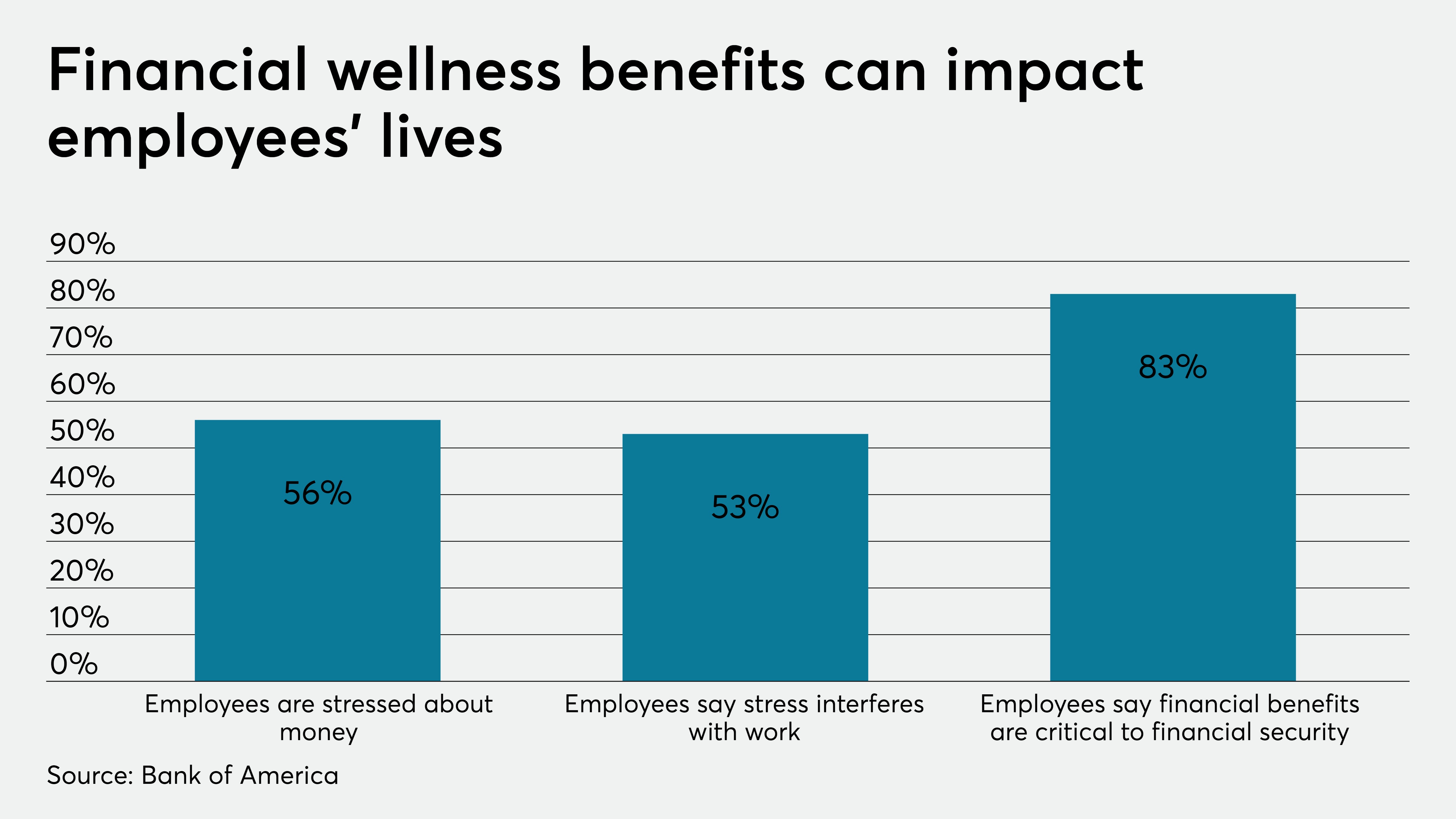
With the virus dominating everyone’s thinking and many employers concentrating on keeping their businesses afloat, it may be hard to focus on your employees’ financial future. Even before COVID-19, employers saw the link between financial stress and decreased workforce productivity. With COVID-19 creating business pressures, it’s imperative that your workforce meet the needs of your customers, and they can’t do that effectively if they are worried about their own or their family’s finances.

Millions of Americans are struggling due to the economic backslide stemming from the pandemic. The first months of the COVID-19 pandemic largely wiped out three years of financial gains in the United States, with more than half of Americans reporting their financial health has been compromised, according to Prudential’s 2020 Financial Wellness Census. While some are focused on making it day-to-day, the economy has also shaken others who considered their finances stable for the future. Although your employees still have a job, you must not lose sight of the fact that their spouse or partner may have lost their job or been furloughed, reducing their incomes by half, which can set any family back.


Employees must take stock of the money that is still coming in and create a budget. Many employers offer budgeting tools as part of their financial wellness program, so consider ramping up your email communications to remind employees of these tools, which can help them categorize expenses as essential or discretionary. If you offer any form of debt management support you can remind them to take advantage of that too. You may also want to provide them with education on how to create a will, something many people overlook. Finally, encourage employees to designate beneficiaries on insurance and financial accounts.

Open enrollment season, which is underway for many companies right now, is the perfect time to reinforce non-health workplace benefits, like life insurance, long-term disability insurance, hospital indemnity insurance, critical illness insurance and accident insurance. Emphasize your paid family leave policy too, if you have one. This is especially timely right now for workers who are without childcare options, but must return to the office after months of remote working.

Suzanne Schmitt
Vice president of financial wellness

Suzanne Schmitt is a vice president, Financial Wellness at Prudential Financial, where she focuses on the firm’s strategy around financial wellness outcomes. Prudential Financial is a financial … Read full bio


For reprint and licensing requests for this article, click here.


More From Employee Benefit News

Sign Up Form

Login Modal Form